


Online poker house edge and odds shape every decision at the felt, and understanding that math is what separates a casual session from a considered one. The house edge in poker is not the same as a slot’s built-in advantage; it lives in the rake, the blinds, and the way tournaments structure their payouts. For players Down Under, the practical question is less about chasing a mythical mathematical edge and more about choosing a room that shows its numbers clearly and lets you play your game without friction. At LuckyDream Australia, the poker offering is built around transparent rake schedules, a steady mix of cash games and sit-and-go tournaments, and a registration flow that keeps the sign-up steps short while still asking for the verification details an Australian adult should expect. The room leans on a stable lobby, predictable table stakes, and a mobile layout that mirrors the desktop experience closely enough that a quick arvo session feels continuous rather than like a separate product. What matters most is that the odds you see on screen are the odds you actually play against, and that the cost of playing is visible before you commit chips.
How the poker house edge actually works at the table
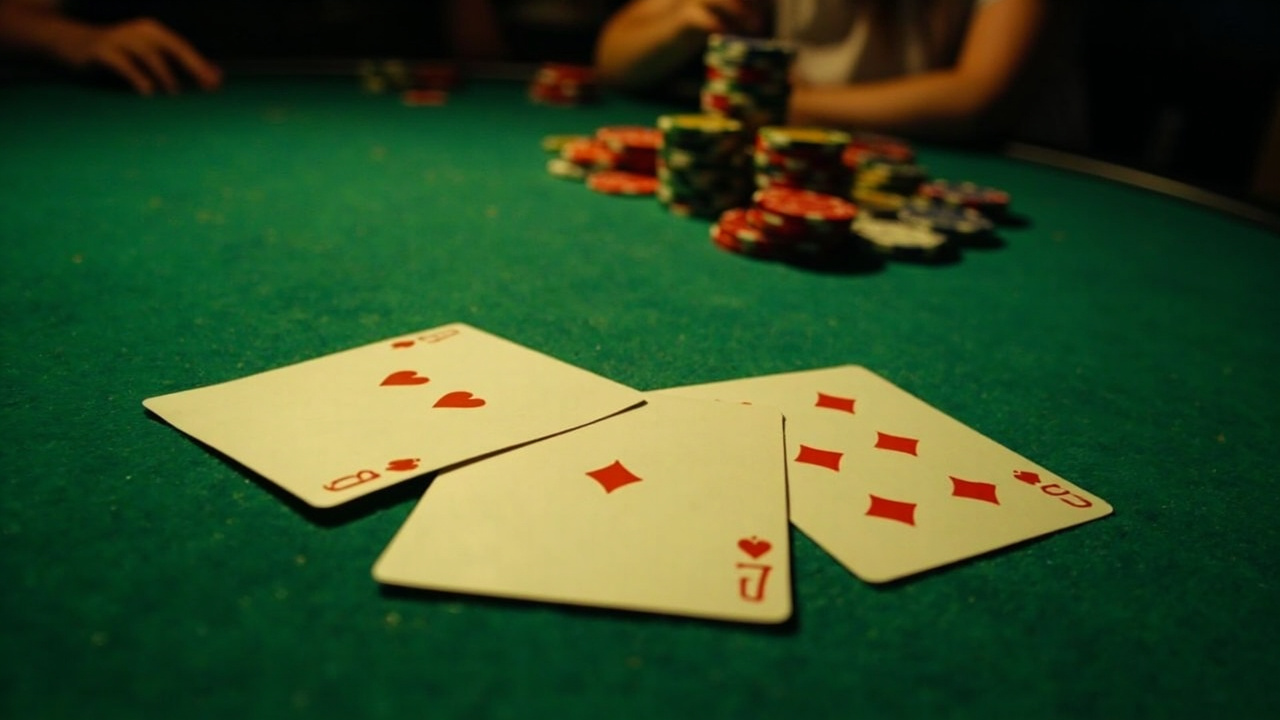
The first thing to get straight is that poker is not a game where the operator wins every hand. In a cash game, the house edge comes from the rake – the small percentage of each pot the room takes – and sometimes from a fixed cap per pot or per hour. A room that advertises a four percent rake with a three-dollar cap is telling you something very different from one that runs a ten percent cap with no ceiling. The real skill is learning how that rake interacts with your win rate over enough hands that the sample size starts to mean something. Tournament players face a different structure: the house edge is baked into the entry fee, with a portion going to the prize pool and the rest covering the room’s costs. That means a tournament can look generous on the payout chart and still be expensive per hour if the blinds climb quickly and the field is deep.
I have spent enough time comparing rooms across different markets to know that the way a poker platform presents its edge says a lot about how it treats regular players. In the US and parts of Europe, operators often publish rake breakdowns and tournament fee structures in a way that makes comparison straightforward, even when the underlying maths is still complex. Down Under, the habit is more informal: players tend to judge a room by the feel of the lobby, the speed of the tables, and whether the support team answers in a language and tone that matches the question. That is a reasonable approach for a social player, but it does not replace checking the actual numbers. A room that hides its rake cap behind a vague “competitive pricing” line is asking you to trust it rather than verify it, and that is a poor starting point for anyone who wants to understand their odds.
What the odds mean for your bankroll and your session
Reading the numbers before you sit down
Before you commit to a table, the useful habit is to check three things: the rake structure, the minimum and maximum stakes, and the blind schedule if you are looking at tournaments. For cash games, a lower rake cap usually means the house edge is smaller per hand, which matters most when you play many small pots. For tournaments, the entry fee and the prize pool percentage tell you how much of your buy-in is actually going toward the payout versus covering the room’s costs. A room that returns seventy-five percent of the field fee to the prize pool is structurally different from one that returns eighty-two percent, and that difference compounds across a season of play. The odds of finishing in the money are not the same as the odds of winning a single hand, and treating them as interchangeable leads to overconfidence.Poker full house strategy for sharper
The practical test is whether the room makes these figures easy to find without digging through menus. A lobby that lists rake, stakes, and payout percentages on the table selector is doing the work for you, and that is the kind of transparency that matters when you are deciding between a busy low-stakes table and a quieter mid-stakes one. I have seen operators in Europe and the UK treat this as a standard part of the lobby layout, while some Australian-facing rooms still expect players to see more ask support or read the fine print. Neither approach is illegal, but the more visible option is the one that respects your time and your bankroll.
Matching the room to the way you play
The odds and the house edge are not abstract; they map onto how you actually play. If you are a tight cash-game player who wins a few big pots and loses many small ones, a lower rake cap is more valuable than a flashy bonus. If you prefer tournaments, the blind structure and the prize pool percentage matter more than the size of a welcome offer, because a bonus that is tied to a heavy playthrough can mask a poor underlying structure. A room that offers a straightforward deposit in Australian dollars, a clear verification step that does not ask for the same document twice, and a mobile lobby that loads without lag is one that lets you focus on the game rather than the mechanics around it. The support side matters too: a team that can answer a question about rake or tournament rules in a timely way is worth more than a loyalty program that sounds generous but pays out in points that are hard to convert.
For players in Cairns and the broader Queensland region, the practical considerations are often about session timing and connection stability rather than geography in a legal sense. A room that keeps its tables populated during the evening and overnight hours, and that handles mobile play without dropping frames on a decent connection, is one that fits a regular routine. That is not a promise of winning, and it is not a suggestion to play beyond your means; it is simply the kind of fit that makes the odds and the edge visible enough to manage.
Choosing a room that fits your style and your bankroll
The right room for you is the one whose edge and odds match the way you play, not the one that shouts the loudest. A cash-game regular benefits from a clear rake cap and a lobby that keeps low-stakes tables populated, because those are the conditions where a modest edge can be protected over time. A tournament player benefits from a transparent prize pool percentage and a blind structure that does not accelerate so fast that the session becomes a race to survive rather than a game to outplay. A casual player who logs in for a short session on a mobile device benefits from a registration flow that is quick but still asks for the right verification details, and from support that can answer a simple question without making it feel like a chore.
The comparison with overseas markets is useful here. In the UK and parts of Europe, players are accustomed to rooms that publish their rake and fee structures as a matter of course, and that habit has raised the bar for what counts as a reasonable lobby. In the US, the picture is more fragmented because of state-by-state regulation, but where poker is available, the rooms that last are the ones that make their numbers legible. Down Under, the culture is more relaxed and the player base is more likely to judge a room by the quality of the tables and the ease of getting started, which is fine for a social session but not a substitute for checking the maths. The rooms that work best for Australian adults are the ones that combine that ease of use with numbers you can actually read.
If you want a room that keeps the edge visible and the odds honest, start with the rake schedule, the stake range, and the tournament payout structure, then test the lobby speed and the support response before you commit much time. A short session on a low-stakes table or a single small tournament is a better way to judge fit than reading a long list of features. The goal is not to find a room that guarantees anything; it is to find one where the cost of playing is clear enough that you can make your own decisions with your eyes open.
- Rake: the portion of each pot or tournament entry the room retains, which forms the practical house edge in poker.
- Rake cap: the maximum amount the room takes from a single pot or per hour, which limits how the edge scales on bigger hands.
- Prize pool percentage: the share of tournament entry fees returned to players as prizes, with the remainder covering the room’s costs.https://luckydreamaustralia.com
- Blind structure: the schedule of increasing blinds and antes in a tournament, which affects how long a session lasts and how often the edge is paid.